
If necessary, following up with a phone call can be an effective approach when dealing with persistent late payments. A direct conversation can provide an opportunity for mediation and understanding the reasons behind the delay. Furthermore, reaching out to the client by phone after a certain number of days can be an impactful way to address a past-due situation. A personal touch through a phone call demonstrates your commitment and concern regarding the overdue payment. It allows you to have a direct conversation about the status of the invoice and any challenges the client may be facing that are hindering timely settlement.
- While businesses strive to maintain a smooth cash flow, certain factors can lead to delays in payment, affecting the financial operations of the seller, as well as the buyer.
- To illustrate, Company A cleans Company B’s carpets and sends a bill for the services.
- Check to see that the contact information is correct, as checks may go missing simply because of an incorrect mailing address.
- This adjustment ensures that her financial statements accurately reflect the funds available in her business account, considering the outstanding check.
- Reason – The logic of why payment due for an expense is treated as a liability by the business is because the benefit in exchange for the payment is already received.
- The primary means of communicating a company’s financial information to internal and external stakeholders.
- These figures are generally packaged within the investor relations sections of their websites, on local stock exchange websites, or with the SEC.
Example of Days Inventory Outstanding
IMF (International Monetary Fund) – A global organization that promotes international monetary cooperation and financial stability. GNP what does outstanding check mean (Gross national product) – The value of all the goods and services produced in a country, including the value of goods and services produced by its citizens overseas. FLOAT (Floating rate) – A type of interest rate that is adjusted periodically to reflect changes in market conditions. FA (Fixed assets) – Long-term and will almost certainly benefit a firm for more than a year, such as real estate, land, or large machinery.
Company
This journal entry ensures that the expense is accounted for in the current period’s financial records while acknowledging the company’s obligation to pay it in the future. Examples – Outstanding salary, outstanding rent, outstanding subscription, outstanding wages, etc. Outstanding expenses are recorded in books of finance at the end of an accounting period to show the true numbers of a business.
Accounts Payable vs. Accounts Receivable
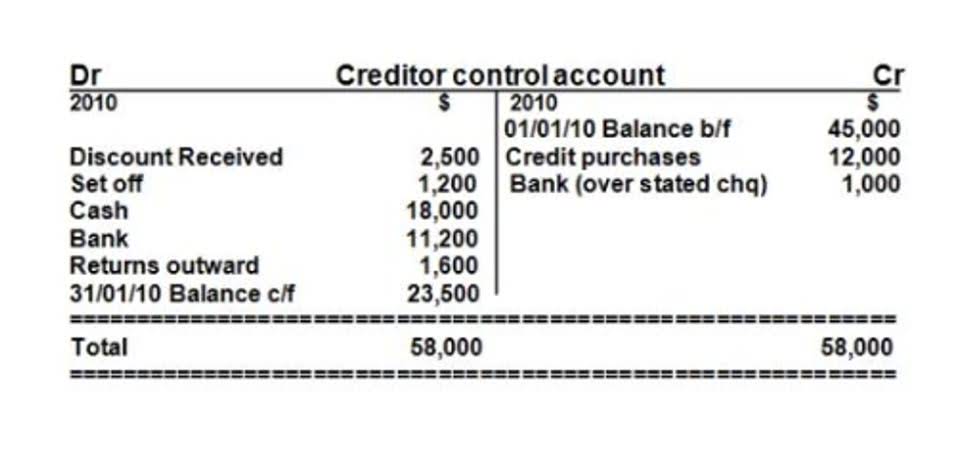
AP is more than a set of bills to be paid since it’s a key element of business accounting and financial management. Effectively managing AP can strengthen vendor relationships, improve cash flow, and contribute to a company’s overall financial health. Fundamental analysts often evaluate accounts receivable in the context of turnover, also known as the accounts receivable turnover ratio. Accounts receivable (AR) is an accounting term What is bookkeeping for money owed to a business for goods or services that it has delivered but not been paid for yet.
Keep those lines of communication open when customers have questions about their bills. When you address their concerns quickly, you build trust and keep relationships strong, while also making sure payments don’t get delayed even more. Being clear about what you expect during these conversations helps prevent misunderstandings that could cause further delays.
By using this report, businesses can quickly identify which invoices are overdue and take appropriate actions to follow up with customers for payment. It also helps identify potential cash flow issues and allows businesses to prioritize their collection efforts. Overall, the accounts receivable aging report is essential for managing cash flow and ensuring that outstanding invoices are promptly addressed. Remember, outstanding expenses are not just an accounting technicality – they represent real financial obligations that affect your business’s cash flow and financial health. By understanding and properly managing these expenses, you ensure that your financial statements tell the complete story of your business’s financial performance. In the balance sheet, outstanding expenses Debt to Asset Ratio are categorized under current liabilities, as they are obligations that the company needs to settle within the next accounting period.

Reporting outstanding expenses in financial statements 🔗
- According to the guidelines of accrual accounting—the most used method for businesses of any size—accrued expenses are entered on the balance sheets as current liabilities.
- The company should spot unlikely or duplicated items, and then notify the bank to correct them.
- Accounts receivable are an important element in fundamental analysis, a common method investors use to determine the value of a company and its securities.
- An outstanding check is a check that a company has issued and recorded in its general ledger accounts, but the check has not yet cleared the bank account on which it is drawn.
- The effective management of AP is essential so that a company has enough to pay its bills and has a stable cash flow.
- Since many companies bill at month-end and run the aging report days later, outstanding accounts from a month prior will show up.
On the other hand, a past-due invoice refers to a bill that has surpassed its designated deadline for payment. When an invoice becomes past due, the seller may apply late fees and penalties as compensation for delayed payments. If a check remains outstanding for an extended period, it may become stale-dated, and the bank may refuse to honor it. You can also call or write to remind the payee that the check is outstanding.
How can you manage the Outstanding Expenses?
Doing so establishes transparency and provides clear guidelines about what happens if an invoice goes unpaid after the deadline. Implementing a clear and firm collection strategy is crucial in maintaining healthy cash flow. This includes setting specific deadlines, defining consequences of non-payment, and adhering to a systematic process when handling past-due invoices. Implement clear payment terms upfront and send timely reminders to prevent outstanding invoices from turning into past-due ones. Establishing good communication with clients can also help address potential issues before they escalate. While the terms outstanding and past-due are sometimes used interchangeably, there are critical differences between the two.