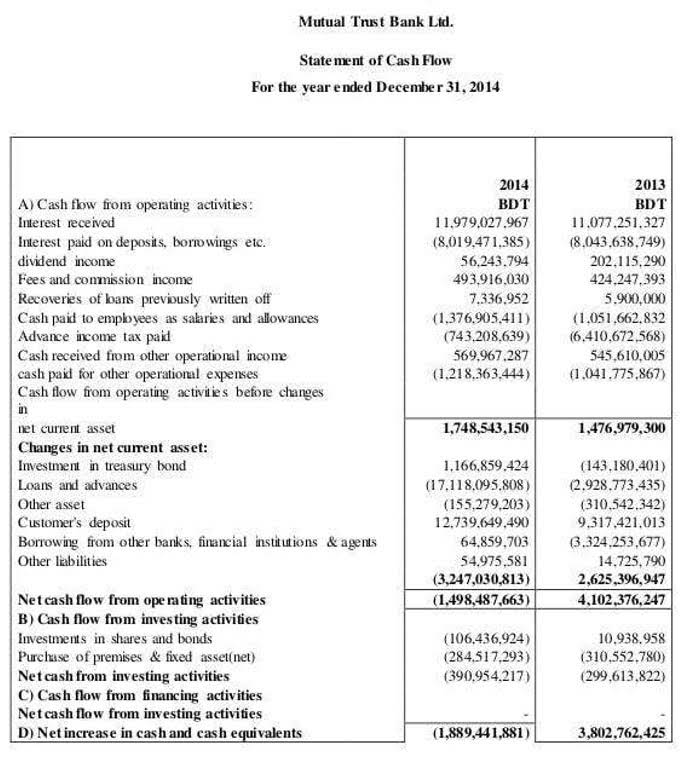
It is useful to note that the direct write-off method does not conform to the matching principle of accounting. Hence, we may not come across such a method in the company that follows acceptable accounting standards. For the example above, assume the company ABC Ltd. had the allowance for doubtful accounts of USD 1,500 on the credit side before writing off Mr. D’s account. Hence, the allowance account after writing off will remain as a debit balance of USD 500 (2,000-1,500). However, the balance will be back to be normal after adjusting entry for bad debt because the company will add the debit balance to the required balance in the adjusting entry. It is useful to note that after writing off accounts receivable, the balance of allowance for doubtful accounts, which is on the credit side in nature, may stay on the debit side instead.
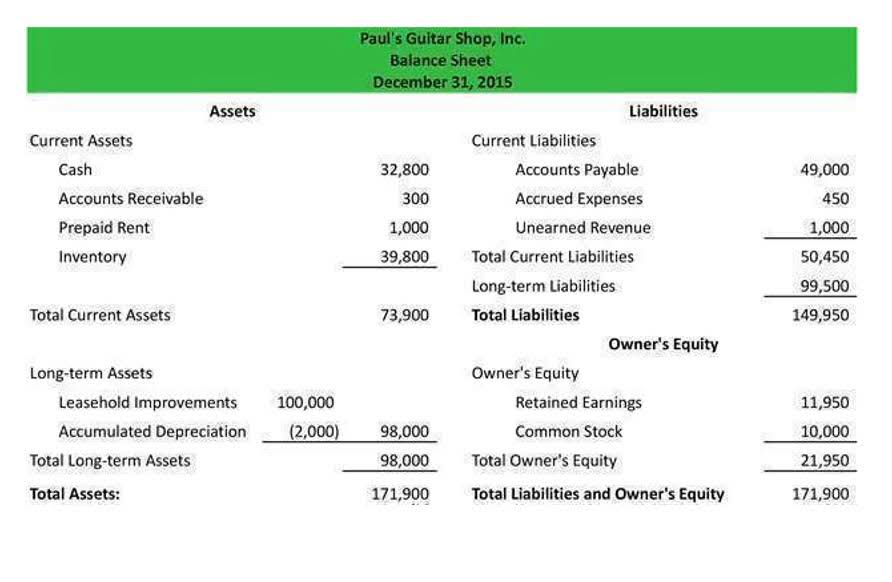
- The Allowance for Doubtful Accounts is a contra-asset account designed to estimate the portion of accounts receivable that a company anticipates it will not collect.
- This treatment supports the matching principle under GAAP, which requires expenses to be recognized in the same period as the revenue they help generate.
- An allowance for doubtful accounts is a technique used by a business to show the total amount from the goods or products it has sold that it does not expect to receive payments for.
- The allowance method represents accounts receivable that a company has justifiable reason to believe it may not collect in full or at all.
- Accounts receivable decreases because there is an assumption that no debt will be collected on the identified customer’s account.
- The net of the asset and its related contra asset account is referred to as the asset’s book value or carrying value.
Cash Application Management

Allowance for doubtful is the contra asset account with accounts receivable which present in the balance sheet. Most people may confuse this account as the liability, but it is not even it is a negative asset account. It is similar to accumulate depreciation which reduces the fixed balance, but it is not the liability. Accounts receivable present in the balance sheet is the net amount, which remains after deducting the allowance for the doubtful account. Bad debt expense is the uncollectable account receivable when the customer is no longer able to pay their outstanding debt due to financial difficulties or even bankruptcy. Otherwise, we will face a huge loss, especially https://beyondstreams.co.za/2022/02/17/are-expenses-liabilities-on-a-balance-sheet/ when the business getting bigger.
Direct Write-Off Method Explained
- Based on historical trends, you predict that 2% of your sales from the period will be bad debts ($60,000 X 0.02).
- One aspect that has been affected by this change is the allowance for doubtful accounts.
- It is also useful in determining the balance amount needed in the account Allowance for Doubtful Accounts.
- However, without doubtful accounts having first accounted for this potential loss on the balance sheet, a bad debt amount could have come as a surprise to a company’s management.
- Bad debt expense arises when a company recognizes that certain accounts receivable are uncollectible.
Another important ratio impacted is the current ratio, which assesses a company’s ability to meet its short-term obligations. The allowance for doubtful accounts reduces the net accounts receivable, thereby providing a more conservative and accurate measure of liquidity. This adjustment can be particularly important for companies with significant receivables, as it prevents an overly optimistic view of their short-term financial position. Moreover, the allowance for Travel Agency Accounting doubtful accounts can improve the quality of financial analysis. Ratios such as the accounts receivable turnover and the current ratio become more meaningful when the net realizable value of receivables is used. This adjustment provides a clearer picture of the company’s liquidity and operational efficiency.
Balance Sheet Method for Calculating Bad Debt Expenses
On the other hand, the aging method is more suitable if you want a more precise estimate and have access to solid accounts receivable reports. It usually comes from customers who can’t or will not pay their invoices, even after follow-ups. These uncollectible amounts sit in your accounts receivable and inflate your expected income unless you account for them properly. Recording an allowance for doubtful accounts helps your business properly account for bad debt.
What is the Journal Entry if the Balance in Allowance for Doubtful Accounts is a Credit?
When a seller provides goods or services on credit, the resultant account receivable is normally considered to be an unsecured claim against the buyer’s assets. This makes the seller (the supplier) an unsecured creditor, meaning it does not have a lien on any of the buyer’s assets—not even on the goods that it just sold allowance for doubtful accounts will have an to the buyer. Using the example from above, let’s illustrate how the credit term of 2/10, net 30 works. Gem Merchandise Co. ships $1,000 of goods and the customer returns $100 of unacceptable goods to Gem within a few days.